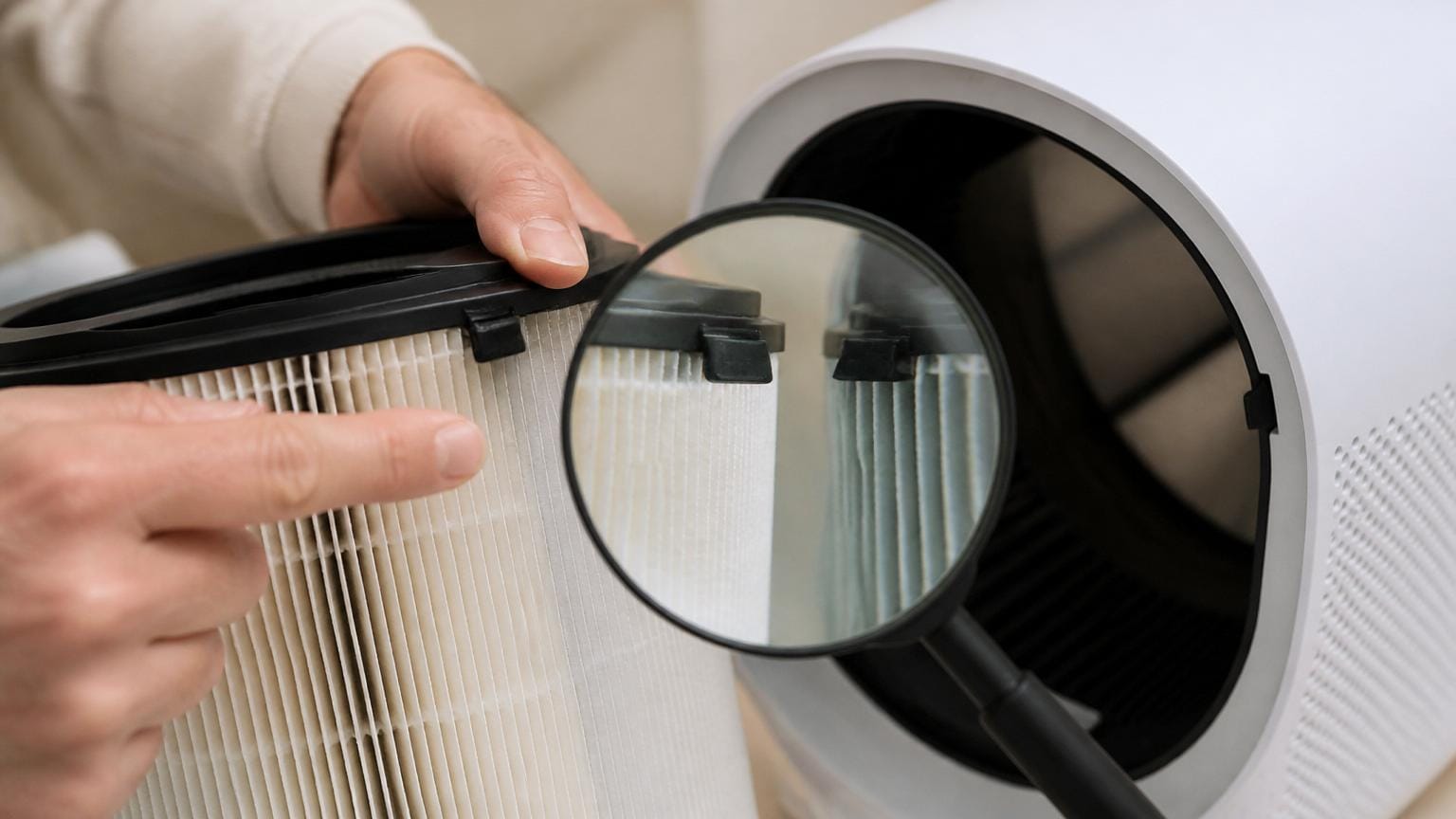
A glossy product page doesn't prove a filter actually cleans the air.
Scrolling through dozens of near-identical listings—photos lifted from OEM sites, ‘compatible’ tags and unfamiliar brands—can quickly confuse buyers. OEM, third‑party and counterfeit filters proliferate on marketplaces; a cheap-looking listing can hide wrong dimensions, mismatched seals, low‑grade filter media or falsified HEPA claims. Consequences include wasted money, reduced particle removal and noticeably poorer indoor-air performance.
This guide walks through red flags and verification steps; for higher-level buying decisions consult do I need an air purifier—buying advice.
- Require true HEPA class (H13/H14) or certified MERV rating; avoid 'HEPA‑type'.
- Match exact model number, dimensions and seal design; photos alone are insufficient.
Quick primer on key filter terms and metrics
- OEM vs. third‑party vs. counterfeit
OEM (original equipment manufacturer) filters are made by the device maker to match model specifications and warranty conditions; third‑party (aftermarket) filters fit the same models but vary in materials and performance. Counterfeit filters copy branding and appearance but often lack proper media, certifications, and can reduce safety or device function.
- True HEPA vs. HEPA‑type
True HEPA denotes filters tested to capture a very high portion of 0.3 µm particles (industry benchmark) and usually meet established lab criteria. Labels like “HEPA‑type,” “HEPA‑like,” or “99% efficiency” are marketing terms without a standardized test and can represent much lower capture rates.
- MERV basics
MERV (Minimum Efficiency Reporting Value) rates HVAC filter efficiency on a 1–20 scale based on particle-size capture; higher numbers indicate finer filtration. Residential appliances use different filter formats, so MERV is most relevant for furnace/duct filters rather than all room air purifiers.
- CADR (Clean Air Delivery Rate) basics
CADR measures how quickly an air cleaner reduces specific particle types (smoke, pollen, dust) in cubic feet per minute, reflecting both filter efficiency and airflow. AHAM‑certified CADR provides a standardized comparison for room‑size suitability across models.
- What’s regulated vs. marketing
Some claims are tested and certified (AHAM CADR, Energy Star energy use), while many phrases—“medical grade,” “kills pathogens,” or vague efficiency percentages—are unregulated marketing. Ozone emissions and certain sanitizing claims face legal limits in some jurisdictions, so look for recognized certifications rather than promotional language.
Product‑page checklist to verify filters before buying
- Confirm exact model and part numbers
Compare the filter part number, model suffixes, and compatibility list on the listing with the device’s manual or the manufacturer’s support page; minor suffixes (A, B, XL) change fit or media. Search the part number plus the brand and model to find manufacturer compatibility charts.
- Compare photos and label details
Look for high‑resolution closeups of the filter label, barcode/QR, and printed certification marks; inconsistent fonts, blurred stamps, or missing barcodes are red flags. Reverse‑image search product photos to find identical listings that may reveal counterfeits.
- Check seller authorization and reputation
Verify the seller appears on the manufacturer’s authorized‑seller list or uses the brand’s official storefront domain. Cross‑check seller age, feedback history, and whether the same seller specializes in the brand.
- Review listing history and return policy
Examine listing age, recent price or title changes, and the number of returns; newly created listings with steep discounts often warrant caution. Prefer listings with clear return windows, restocking terms, and refund handling for used/incorrect parts.
- Request seller evidence and use example queries
Ask for closeups of label/barcode, a photo of the serial number on the device (if applicable), and any certificates or invoices; request that images be timestamped or include a small handwritten note. Example search queries: “[brand] [part number] datasheet”, “[part number] genuine”, “image:[part number] filter closeup”.
Too cheap compared with typical listings, inconsistent or stock photos, missing manufacturer contact, seller refuses closeups or certificate scans.
If any two of these appear, treat the listing as higher risk and seek verification from the manufacturer or an authorized reseller before purchasing.
Physical and performance compatibility checklist
- Exact dimensions and insertion orientationVerify length, width, and depth to the millimeter and confirm the airflow/insertion arrow. Even a few millimetres difference can create gaps that bypass the filter or prevent the filter from seating.Look forManufacturer part number with exact dimensions and arrow orientation.Avoid'Fits many' listings or approximate size ranges.
- Gasket, sealing surface, and edge designCheck for continuous rubber/foam gaskets or specified compression seals and whether the purifier relies on the filter edge to form the seal. Missing or thin seals allow unfiltered air leakage and reduce effective CADR.Look forClear photos/specs showing gasket type and contact surface.AvoidNo-seal designs or unclear edge construction.
- Tabs, clips and mounting cutoutsConfirm tab positions, alignment notches, and any retention clips match the unit; mismatched mounting features can make installation impossible or stress the frame and motor housing.Look forMatching tab/cutout layout in product images or spec sheet.AvoidGeneric flat filters without matching attachment features.
- Thickness, pleat depth and pressure dropCompare filter thickness/pleat count and the vendor's pressure-drop spec (Pa or in‑H2O at a stated airflow). Higher pressure drop lowers CADR, increases fan load and noise; overly thin filters often mean lower filtration efficiency.Look forPublished pressure-drop at a known airflow and pleat/thickness data.AvoidNo pressure-drop info or only broad efficiency claims without airflow context.
Small gaps let most air bypass the filter; higher-than-expected pressure drop forces the fan to work harder, raising noise and reducing CADR.
Request pressure-drop specs or a test curve. Ask for clear photos of the filter seated in a unit. When in doubt, prefer an exact part-number match.Verifying HEPA claims, certifications, lab reports and smoke performance
When a listing says “HEPA,” does that guarantee ≥99.97% at 0.3 µm?
Not always. In the U.S. a true HEPA designation is commonly taken to mean ≥99.97% capture of 0.3 µm particles; many manufacturers instead use terms like “HEPA-type” or “HEPA-like.” Look for a numeric efficiency and the particle size tested; absence of those specifics usually means the claim is imprecise.
What do AHAM, UL and ETL marks actually signify?
AHAM verification relates to CADR (clean air delivery rate) for smoke, dust and pollen — a performance metric, not a filter composition guarantee. UL and ETL are safety/test compliance marks indicating product electrical and component safety; some standards (e.g., UL 867) also address ozone from air cleaners.
How can lab reports and certificates be validated?
Request a full test report showing lab name, ISO/IEC 17025 accreditation, model numbers, methods, particle sizes and dates. Verify the lab is a recognized third party (Intertek, SGS, TÜV and equivalents) and that the tested model matches the listed part; inconsistent numbers or redacted identifiers are warning signs.
What specific evidence shows good smoke capture?
Prefer a published CADR for smoke and a HEPA efficiency stated at submicron sizes (around 0.1–0.3 µm), since combustion particles are often in that range. Also check for low leakage design notes and advertised activated-carbon capacity if odor/VOC removal matters.
Which claims or documents are red flags?
Vague badges without test references, efficiency percentages with no particle size or method, mismatched model numbers between report and product, and sellers who decline to provide full reports. These indicate unverifiable or inflated performance claims.
Common myths and red flags on listings
Extremely low prices often indicate counterfeit, used, or incompatible filters.
Manufacturers and authorized dealers maintain consistent pricing; huge discounts frequently accompany missing credentials, recycled packaging, or poor filtration performance.
Stock or recycled images can hide counterfeit parts or wrong part numbers.
Compare listing images with the manufacturer’s gallery and request close-ups of labels and serials to spot visual mismatches.
Recently created accounts or brief listing histories are common among unauthorized resellers and scams.
Check seller history, ratings, and how long listings have been active; established sellers more often honor returns and warranties, though exceptions exist.
Absence of manufacturer authorization or contact often signals aftermarket or counterfeit filters without warranty support.
Verified manufacturer contact enables part-number confirmation, warranty checks, and direct recourse for defects or incompatibility.
Printable pre‑purchase checklist
- Confirm exact OEM part number
Match the listing’s part number to the appliance manual or sticker; verify alternate numbers and cross‑references.
- Inspect clear photos
Require high‑resolution images of both sides, pleat count, gasket, and any model stamp; request closeups if details are missing.
- Check seller authorization and history
Prefer authorized dealers or sellers with long positive histories and many filter sales; flag new accounts or inconsistent SKUs.
- Verify return and warranty terms
Ensure a visible return window and clear refund/exchange policy; confirm warranty handling for defects before purchase.
- Request certifications or lab‑report references
Ask for HEPA/efficiency certificates, lab‑report citations, or test photos and validate report numbers against issuer sites.
- Confirm dimensions and thickness
Compare listed length, width, depth and pleat depth to the original filter; allow only small manufacturing tolerances.
Inspect the filter on arrival
First visual and label checks
Open the original packaging and compare part numbers printed on the box, filter frame, and invoice. Look for matching model codes, serials, and any holograms or tamper seals. Photograph all markings and packaging before removing the filter.
Physical fit and seal
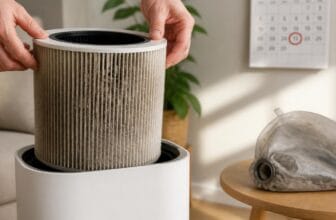
Check dimensions and gasket placement against the product manual or manufacturer spec sheet. The filter should insert smoothly, sit flush, and the gasket should compress evenly—loose edges or warped frames suggest incompatibility or inferior molding.
Documentation and verification
Scan QR codes and confirm certificates or lab reports on the manufacturer’s official site. Retain emails, photos, and tracking info.
Returning or reporting counterfeits
Keep original packaging, file a return within the seller’s window, and submit photos plus part‑number evidence to the marketplace and manufacturer. If the seller is uncooperative, escalate through the platform’s counterfeit-reporting process.
Prioritize verifiable model numbers
- Match part numbers across box, filter, and paperwork
- Verify physical fit and gasket integrity
- Keep evidence and report suspicious items promptly
Immediate checks: confirm model numbers, inspect fit and seals, and validate documentation online. Preserve photos and packaging; report counterfeit or incompatible filters to the seller, platform, and manufacturer without delay.