Choosing the right blender jar material can make a big difference in how well your blender performs and how long it lasts. Whether you make smoothies every morning or blend sauces in a busy kitchen, the material of your jar affects durability, safety, and ease of cleaning. Tritan offers lightweight strength, stainless steel delivers unmatched durability, and glass ensures purity and clarity in every blend.
You might think all jars work the same, but each has clear advantages and trade-offs. Tritan resists impact but can scratch over time. Stainless steel handles heat and heavy use but hides the blending process. Glass keeps flavours pure and looks clean but can break if dropped. Understanding these differences helps you choose the best fit for your daily use and environment.
Key Takeaways
- Tritan, glass, and stainless steel each offer unique strengths for blending.
- Durability, safety, and performance depend on how and where you use your blender.
- Knowing the pros and cons helps you pick the best jar for long-term value.
Top Recommended Blenders in 2026
To help you choose the right blender, we’ve selected a range of models that use Tritan, glass, or stainless-steel jars, each standing out in its own category. These products offer excellent durability, ease of use, and reliable performance when preparing smoothies, soups, or thicker blends. Whether you prioritise food safety, heat resistance, or long-term robustness, our recommendations cover all the essential preferences.
-

- Optimum blending: a 600W motor, four robust stainless-steel blades and a tapered jug shape combine for efficient blending without chunks, every time. It even crushes ice with ease.
- Cool running: the built-in air cooling system optimizes airflow through the motor to keep things cool, prevent overheating and extend the life of your blender.
- Solid performance: Four suction feet keep Blendforce II stable on your worktop, no matter how tough the ingredients.
- Easy to use: with a two-speed (plus pulse) rotary dial for custom blending, 1.25L capacity for big batches, ergonomic handle for comfort, and dishwasher-safe, removable parts for easy cleaning.
- Safe: the secure lock system shows you when the jug is locked securely onto the base, while the smart lid with filling hole lets you add ingredients safely and easily when the blender is in use.
-
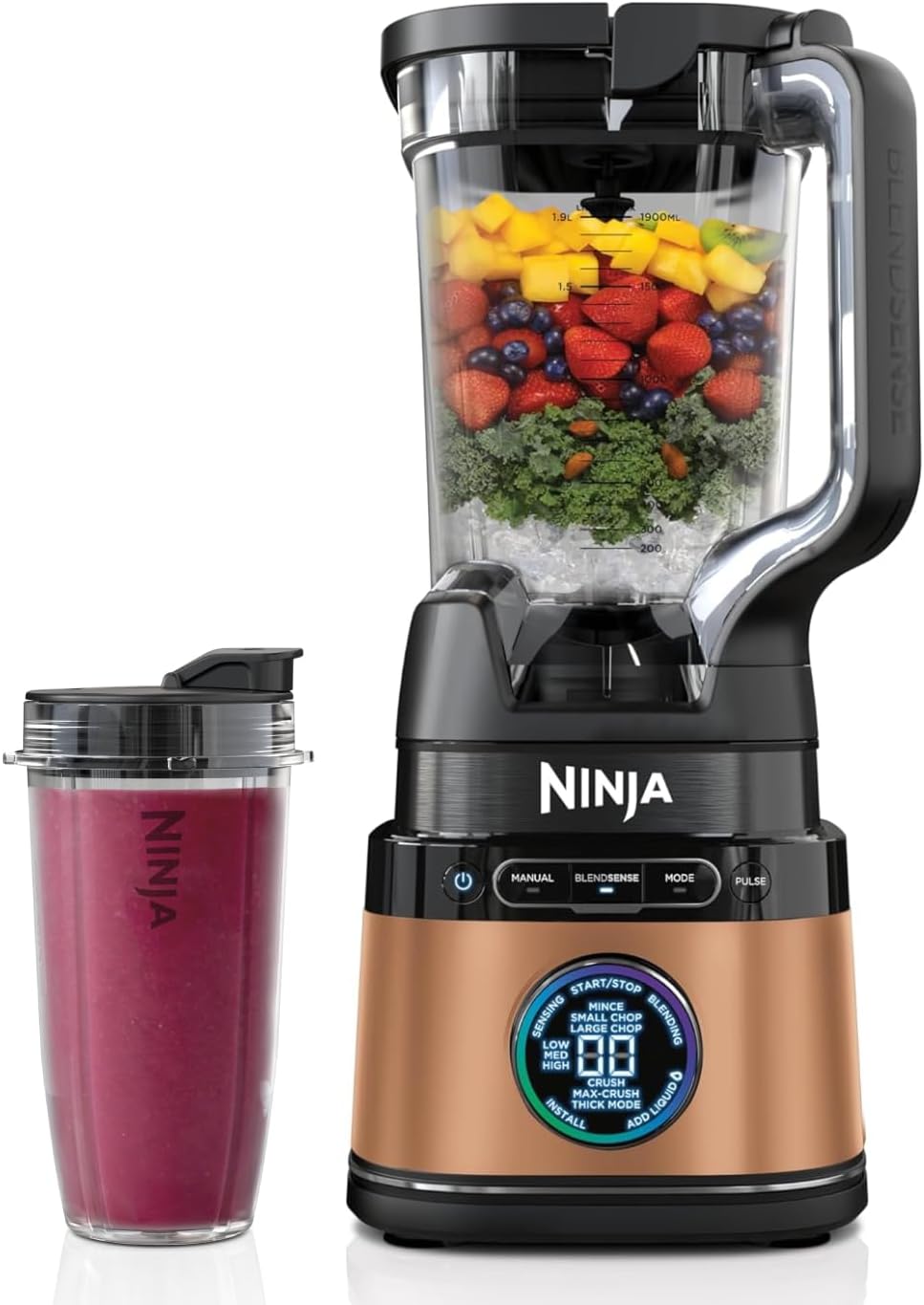
- AMAZON EXCLUSIVE: Black and Copper Ninja Detect Power Blender Pro & Single Serve. BlendSense Technology intelligently detects ingredients, portion size and ice, then auto adjusts speed, time and pulse for perfectly smooth results.
- 2 BLENDERS IN 1: Save space with this traditional jug blender & personal blender in one. Create dips, sauces & smoothies in the single-serve cups. Or blend frozen cocktails & smoothies in the large jug.
- DETECT DIAL: Easy-to-read dial lets you take full control of blending, chopping & more. Select from 15+ functions (14 manual and 4 automatic modes). Also includes countdown timer & ‘Add liquid’ notification.
- AUTO, MANUAL & PRESET MODES: Ninja Detect Blenders let you take as little or as much control as you like in the kitchen. Enjoy automatic BlendSense Technology, 10 speeds & handy preset modes.
- INCLUDES: 1200W Motor Base (UK Plug), 2L Jug with Lid (1900 ml max liquid capacity), 2x 680ml Single Serve Cups (644 ml max liquid capacity), Ninja Detect Total Crushing & Chopping Blade, Hybrid Edge Blades, Inspiration & Recipe Guide.
- DIMENSIONS: H: 44.5 x W: 21 x D: 17.5 cm. Weight: 4.83 kg. Colour: Black. 2-year guarantee upon registration with Ninja (UK & ROI only).
- THE UK’s NO.1 BLENDER BRAND*: UK market data, sales by value Jan 24 – Dec 24
-
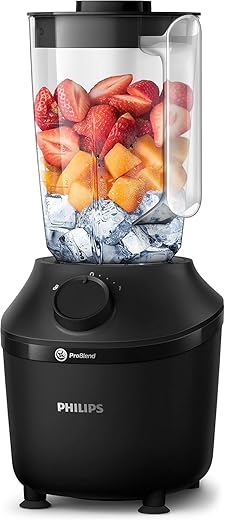
- Smooth blends, no lumps: Powerful 450 W motor for smooth results in just 45 seconds* – With 1 speed, Pulse function and up to 19000 rotations per minute for fast, consistent blends
- Family sized: Blender smoothie maker for the whole family – Large 1.9-litre jug prepares up to 5 servings at a time (based on 200 ml glass size)
- Unique technology: Our ProBlend system combines motor, blade shape and jug design for optimal blending flow and cutting power to take on all ingredients and even crush ice
- Personalised recipes: Make healthy homemade smoothies, soups and more with our HomeID App – Find inspiring recipes personalised to your preferences and follow them easily step-by-step
- What’s in the box: Food Blender, dishwasher-safe plastic jug
-

- POWERFUL PERFORMANCE: 600-watt motor with stainless steel Sabre ice blades for crushing ice and blending frozen ingredients
- VARIABLE SPEED CONTROL: Easy to operate with 2 simple speed settings and Pulse function for precise blending control
- FAMILY-SIZED CAPACITY: Generous 1.5-liter BPA-free container perfect for family portions and meal prep – safe and healthy for your loved ones
- EFFORTLESS CLEANUP: All removable parts are dishwasher safe, including jug, blades, and lid – making cleanup quick and hassle-free
- PRODUCT DIMENSIONS: Measures 16.9 x 21.2 x 37.9 cm (WxDxH)
-
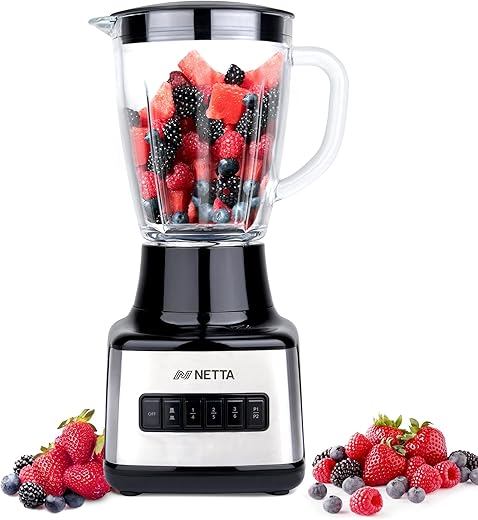
- HIGH-SPEED BLENDING: This 500W NETTA Food Smoothie Table Blender features 4-blade stainless steel blades, 8 speeds and a pulse setting, making it ideal for blending frozen fruit, ice cubes, milkshakes, cocktails, sauces and more.
- LARGE CAPACITY: This product includes a 1.5L glass jug, which means it is perfectly suited for families. The easy-pour spout and handle eliminate the risk of drops and spillages when using the product.
- EASY TO USE: Simply plug this liquidiser in, lock the parts together and go – this is one of the easiest blenders to use. With a wide range of blending settings to choose from, you’ll have no problem finding the perfect speed to blend any foods or drinks.
- SAFETY MATTERS: This worktop processor has a built-in safety lock feature, ensuring the appliance can only turn on when the cup and the blade are connected to the motor base securely. The glass jug included with the product is BPA free and dishwasher safe.
- DIMENSIONS: 23 x 20 x 41cm | WEIGHT: 2.85KG


Comparing Blender Jar Materials: Tritan, Glass, and Stainless Steel
Each blender jar material affects how your blender performs, feels, and lasts. The differences in composition, clarity, and weight determine which type best suits your kitchen or business use.
Material Composition and Manufacturing
Tritan plastic is a BPA-free copolyester known for its strength and impact resistance. It replaces older polycarbonate plastics that contained bisphenols. You’ll find Tritan in many commercial and home blenders because it’s lightweight, durable, and food-safe. However, it can scratch or cloud over time, especially with frequent use or exposure to high heat.
Glass blender jars are typically made from tempered or borosilicate glass. These materials resist heat and chemical reactions, keeping flavours pure. Borosilicate glass handles temperature changes better than standard glass, reducing the risk of cracking. Still, glass is fragile and can shatter if dropped.
Stainless steel jars use food-grade alloys such as 304 or 316 stainless steel. These resist corrosion, heat, and staining. They also prevent chemical leaching, making them suitable for hot soups or acidic blends. Steel jars are often passivated to form a protective oxide layer that improves hygiene and rust resistance.
| Material | Key Traits | Common Grades/Types |
|---|---|---|
| Tritan Plastic | BPA-free, impact-resistant | Eastman Tritan Copolyester |
| Glass | Chemically inert, heat-resistant | Tempered or Borosilicate |
| Stainless Steel | Corrosion-resistant, durable | 304 / 316 Food-Grade Steel |
Visual Clarity and Transparency
You can easily see through Tritan and glass jars, which helps you monitor blending progress. Tritan’s clear finish gives visibility similar to glass but can become dull with scratches or UV exposure. It’s ideal when you need to check texture or colour during blending.
Glass jars maintain long-term clarity and resist odours and stains. Their transparency makes them popular for smoothie shops or home use where appearance matters. However, they’re heavier and more fragile than plastic.
Stainless steel jars are opaque, so you can’t see the mixture inside. This limits visibility but improves durability. Many professional kitchens prefer them because they handle high power and temperature without cracking or clouding.
Weight and Handling Differences
Tritan jars are the lightest, making them easy to lift, pour, and clean. This helps reduce strain during repeated use and suits fast-paced environments like cafés or juice bars. Their low weight also reduces motor stress and vibration.
Glass blender jars are heavier, offering stability during blending. The added weight helps them stay in place but can make handling harder, especially when full. You’ll need to handle them carefully to avoid drops.
Stainless steel jars fall between Tritan and glass in weight. They feel solid without being overly heavy. Their balanced weight makes them practical for both commercial and home kitchens that need a strong yet manageable jar.
Durability, Safety, and Performance
When you choose a blender jar, you need to balance strength, safety, and long-term performance. The right material affects how well it handles impact, high-speed use, and exposure to heat or cleaning chemicals. Each option – Tritan, stainless steel, and glass – has clear advantages and trade-offs in these areas.


Durability and Impact Resistance
Tritan offers high impact resistance and rarely cracks under normal commercial use. Its lightweight design makes it easier to handle and less likely to break if dropped. However, frequent use and high temperatures can cause it to age faster than metal.
Stainless steel provides the greatest durability. It resists dents, corrosion, and breakage, even in heavy-duty kitchens. You can expect a long service life, especially with 304 or 316 food-grade alloys.
Tempered glass is strong but not unbreakable. It can handle blending forces well but may shatter if dropped or exposed to sudden temperature changes. It suits lower-impact environments where visibility and cleanliness matter most.
| Material | Durability Rating | Breakage Risk | Ideal Use |
|---|---|---|---|
| Tritan | High | Low | Busy cafés, smoothie bars |
| Stainless Steel | Very High | Very Low | Restaurants, industrial kitchens |
| Tempered Glass | Moderate | High | Light commercial or home use |
High-Speed and Heavy-Duty Blending
In high-speed blending, jar strength and stability are essential. Stainless steel jars perform best with motors above 1,800 watts, managing torque and vibration without deforming. They handle ice, frozen fruit, and nuts efficiently.
Tritan jars work well for medium-duty blending. They absorb impact and maintain shape under pressure, but extreme heat or long blending cycles can reduce lifespan.
Glass jars are less suited to heavy-duty blending. While they maintain clarity and resist heat, the mechanical stress from powerful motors can increase the risk of cracking. They are better for moderate-speed blending tasks.
| Material | Power Compatibility | Heat Handling | Heavy-Duty Suitability |
|---|---|---|---|
| Tritan | Up to ~1,500 W | Moderate | Medium |
| Stainless Steel | 1,800–2,200 W | Excellent | High |
| Tempered Glass | Up to ~1,200 W | Good | Low |
Scratch and Stain Resistance
Stainless steel resists scratches, stains, and discolouration even after years of cleaning. It remains hygienic because it doesn’t trap residue or odours.
Glass jars, especially tempered or borosilicate types, also resist scratching and clouding. They keep their clear appearance longer than plastic and are easy to clean. However, they must be handled carefully to avoid chips.
Tritan provides good resistance to cracking but is more prone to surface wear. Over time, repeated washing and contact with utensils can create fine scratches. These marks may hold residue or bacteria, requiring more frequent cleaning.
| Material | Scratch Resistance | Stain Resistance | Clarity Retention |
|---|---|---|---|
| Tritan | Moderate | Moderate | Fair |
| Stainless Steel | Excellent | Excellent | Opaque |
| Tempered Glass | Very Good | Very Good | Excellent |
BPA and Chemical Safety
Tritan is a BPA-free plastic, designed to avoid bisphenols and phthalates found in older polycarbonate jars. It is tested for food contact safety and does not leach chemicals under normal use. However, it may absorb strong odours or colours over time.
Stainless steel is chemically inert and non-reactive. It does not release any compounds, even under high heat, making it one of the safest materials for food preparation.
Glass, especially borosilicate or tempered glass, is also non-porous and free from chemical migration. It remains stable during blending and cleaning, maintaining food purity.
| Material | BPA-Free | Chemical Resistance | Odour Absorption |
|---|---|---|---|
| Tritan | Yes | Good | Possible |
| Stainless Steel | N/A (metal) | Excellent | None |
| Tempered Glass | Yes | Excellent | None |
Advantages and Drawbacks of Each Blender Jar Material
Each blender jar material influences durability, safety, and performance. You should weigh how each option handles heat, impact, and cleaning demands before deciding which suits your kitchen best.
Tritan Plastic: Pros and Cons
Tritan plastic blender jars are made from BPA-free copolyester, known for being lightweight, clear, and impact-resistant. You can easily monitor blending progress, which helps when preparing smoothies or layered drinks. The jar’s low weight also makes it comfortable to handle and ideal for frequent use in busy environments.

However, Tritan has heat limits. It starts to weaken above about 80 °C, so it’s not suitable for hot soups or sauces. Over time, it may develop scratches or clouding that trap odours or bacteria. Exposure to UV light can also cause yellowing.
| Advantages | Drawbacks |
|---|---|
| Lightweight and shatter-resistant | Scratches and clouds over time |
| BPA-free and food-safe | Not heat-stable above ~80 °C |
| Clear for easy viewing | Can absorb odours and discolour |
Glass: Pros and Cons
Glass blender jars, often made from tempered or borosilicate glass, are valued for being chemically inert and scratch-resistant. They don’t absorb odours, stains, or flavours, which helps preserve the purity of your blends. Their transparency allows you to see ingredients clearly while blending.
Glass handles moderate heat well and is safe for warm liquids, but it can crack if exposed to sudden temperature changes. The material is heavier than plastic, which adds stability but makes it less convenient to move. If dropped, a glass blender jar can shatter, posing a safety risk in fast-paced kitchens.
| Advantages | Drawbacks |
|---|---|
| Non-reactive and odour-free | Fragile if dropped |
| Excellent clarity | Heavy and less portable |
| Resists scratching and staining | Risk of thermal shock |
Stainless Steel: Pros and Cons
Stainless steel blender jars and pitchers are extremely durable, corrosion-resistant, and hygienic. You can blend hot or cold ingredients safely, as steel withstands high temperatures and repeated cleaning. This makes the stainless steel option ideal for commercial or heavy-duty use.
These jars don’t absorb odours or stains and are easy to sterilise. However, because they’re opaque, you can’t see the blending process. They’re also heavier than plastic but lighter than glass, offering a good balance between portability and strength.
| Advantages | Drawbacks |
|---|---|
| Highly durable and heat-resistant | Opaque—no visibility while blending |
| Easy to clean and sterilise | Heavier than plastic |
| Non-reactive and long-lasting | Higher cost than plastic options |
Choosing the Best Blender Jar Material for Your Needs
Your choice of blender jar material affects how well your blender performs, how easy it is to clean, and how long it lasts. Tritan, glass, and stainless steel each have clear benefits and trade-offs that depend on what you blend most often and how you maintain your equipment.

Suitability for Different Blending Tasks
Each material suits different blending tasks. Tritan jars are lightweight and impact-resistant, making them ideal for smoothies, milkshakes, and cold drinks. They handle ice well but should not be used for very hot liquids due to limited heat tolerance.
Glass jars work well for hot soups and sauces because they resist odours and do not absorb flavours. Their transparency helps you monitor consistency during blending. However, they can break if dropped, so they are better for low-volume or home use rather than high-traffic kitchens.
Stainless steel jars handle both hot and cold recipes with ease. They are strong enough for nuts, frozen fruits, and thick mixtures. The lack of visibility can be inconvenient, but they are the most durable choice for heavy-duty commercial blending.
| Material | Best For | Key Limitation |
|---|---|---|
| Tritan | Smoothies, cold drinks | Not heat-resistant |
| Glass | Hot soups, sauces | Fragile if dropped |
| Stainless Steel | Heavy-duty, hot or frozen mixes | Opaque design |
Maintenance and Cleaning Considerations
Cleaning habits influence which blender jar material suits you best. Tritan jars are dishwasher-safe and easy to handle but can scratch over time, which may trap residue or bacteria. Using mild detergents helps maintain clarity and hygiene.
Glass jars resist staining and odours. They stay clear even after repeated washes and can usually go in the dishwasher. However, they require careful handling to avoid chipping or cracking.
Stainless steel jars clean easily with warm water and detergent. They resist rust, do not retain smells, and tolerate high heat during sanitising. Their smooth surfaces make them the most hygienic option for commercial environments.
Environmental Impact and Recyclability
Environmental factors can guide your choice of blender jar. Tritan plastic, though durable, is petroleum-based and less recyclable than glass or steel. Some recycling facilities accept it, but not all.
Glass is fully recyclable and can be reused many times without losing quality. It’s an eco-friendly option if you handle it carefully to avoid breakage.
Stainless steel has the highest recycling rate and long service life. It reduces waste by lasting for years, even under heavy use. While energy-intensive to produce, its durability offsets this impact over time, making it a sustainable choice for long-term use.
Frequently Asked Questions
Choosing between Tritan, glass, and stainless steel blender jars depends on how you balance durability, weight, clarity, and heat resistance. Each material performs differently in daily use, cleaning, and food safety.
What are the advantages of Tritan blender jars compared to glass?
Tritan jars are lightweight, shatter-resistant, and easier to handle in busy kitchens. They don’t crack when dropped and are less likely to break under pressure.
Glass jars, while clear and non-reactive, can chip or shatter if dropped. Tritan offers better impact resistance but may scratch or discolour over time.
How does the durability of stainless steel blender jars compare to Tritan and glass?
Stainless steel jars last the longest and resist dents, corrosion, and wear. They can handle heavy ingredients and frequent cleaning without losing strength.
Tritan jars are durable but less resistant to scratches and heat. Glass jars are strong but fragile under impact, making stainless steel the most reliable for long-term use.
Can Tritan blender jars handle extreme temperatures as well as glass jars?
Tritan performs well with cold or room-temperature mixtures but softens or warps at high heat. It’s not ideal for blending hot soups or sauces.
Glass jars, especially borosilicate types, tolerate heat better and resist thermal shock. However, sudden temperature changes can still cause cracking.
Are there any taste differences when blending in stainless steel versus glass or Tritan jars?
Stainless steel doesn’t absorb flavours or odours, keeping blends neutral. Glass also stays flavour-free because it’s non-porous and inert.
Tritan may retain slight odours or stains from strong ingredients after repeated use, though it’s generally safe and food-approved.
What are the safety considerations when using glass blender jars?
Glass jars are safe for food contact and free from chemicals such as BPA. They’re easy to clean and don’t leach substances into food.
The main risk is breakage. Dropping or hitting a glass jar can cause sharp fragments, so careful handling is essential in busy environments.
How does the weight of stainless steel, Tritan, and glass blender jars affect usability and handling?
Tritan jars are the lightest, making them easy to lift and pour from. They’re practical for fast-paced or high-volume use.
Stainless steel jars are moderately heavy but stable during blending. Glass jars are the heaviest, which can improve stability but make handling more tiring over long periods.
Informative Video